

If you have been waiting for the housing market to finally calm down and make sense again, you are not alone. Millions of Americans have been sitting on the sidelines for years, watching mortgage rates swing, home prices refuse to drop, and their dream of ownership drift a little further out of reach with each passing month. Here is where things actually stand — and what the data says about where they are headed.
6.30%
30-yr mortgage rate Apr 30, 2026
$415K
Median listing price Nov 2025
18.3%
Inventory surge 2025 vs 2024
14%
NAR projected home sales to rise in 2026
21%
First-time buyers — all-time low
Sources: Freddie Mac PMMS, Realtor.com, NAR, Redfin, J.P. Morgan Global Research
The market nobody wanted — and everyone had to deal with
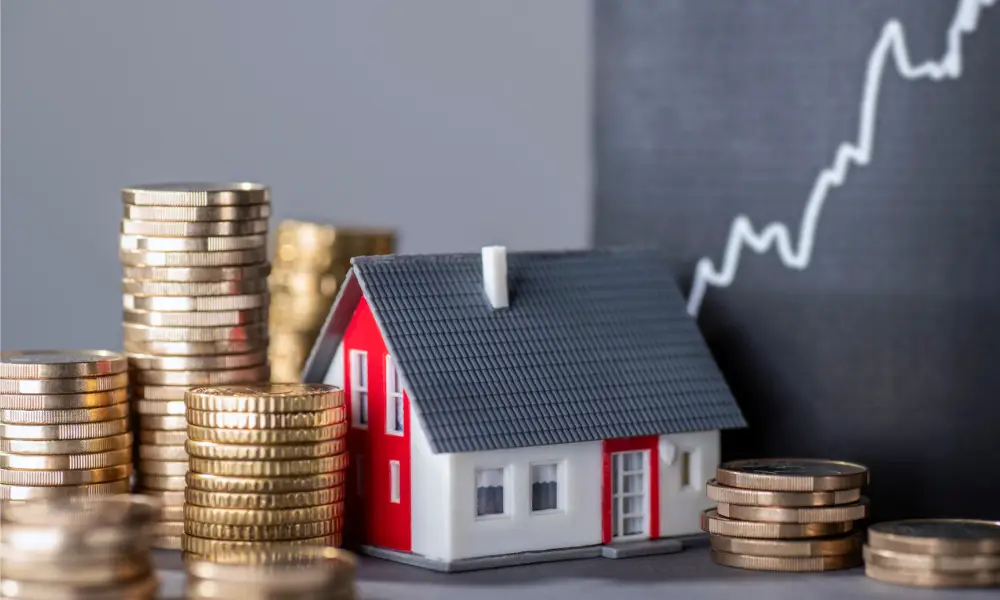
The US housing market in 2025 was, by almost every honest measure, a frustrating place to be. Home sales finished the year roughly flat. Mortgage rates averaged 6.6% across 2025 — barely improved from the 6.7% average of 2024, and nowhere near the sub-3% rates that millions of existing homeowners are still quietly holding onto. The gap between those locked-in low rates and today’s borrowing costs created what economists call the “lock-in effect,” and it strangled transaction volume throughout the year.
The month of May 2025 was the single worst month for home sales, with just 416,400 homes changing hands. High-end home sales — properties in the luxury tier — fell to their lowest level since at least 2013. Even buyers who had accepted that rates would remain elevated began to pull back as economic uncertainty rose and prices kept climbing despite slowing demand. It was a market where neither buyers nor sellers felt comfortable making a move, so many simply did not.
The one genuine bright spot was inventory. Active listings rose sharply throughout the year — far more than forecasters expected at the start of 2025. By November, total active listings reached approximately 1.3 million, representing a substantial improvement over the dangerously tight conditions of 2022 and 2023. Monthly inventory peaked at 1.63 million in July before easing off as sellers who could not get their hoped-for prices quietly withdrew their listings. The count of active property listings jumped 12.6% annually by November, according to Realtor.com data — meaningful progress, but still far below pre-pandemic norms.
“These dynamics reflect how higher rates and years of rapid price growth have rewritten the rules of engagement for both buyers and sellers.” — Danielle Hale, Chief Economist, Realtor.com
Home prices: still up, just less dramatically so
People waiting for a crash are still waiting. Home prices in 2025 did not collapse. They did, however, slow down considerably. Annual price growth decelerated to around 2.4% by November, a sharp pullback from the double-digit gains of the pandemic era. Median home prices spent most of the year in a relatively narrow band between $375,000 and $395,000, with the median listing price sitting at $415,000 in November — that is a 34.3% increase from November 2019’s median of $309,000 in just six years.
The regional picture tells a more complicated story. Wyoming led all states with a 7.27% annual gain. Connecticut, New Jersey, Illinois, and Nebraska all posted solid appreciation. On the other end, Florida fell 2.5% — the steepest state-level decline in the country. Texas dropped 1.71%, Arizona fell 0.89%, Colorado slipped 0.85%, and Hawaii declined 0.82%. These Sun Belt and West Coast markets that boomed during the pandemic construction surge are now sitting on excess supply, and prices are adjusting accordingly.
The upper end of the market has behaved very differently from the rest. Sales in the $750,000 to $1 million price range posted some of the largest year-over-year gains in 2025, fueled by buyers with substantial existing home equity who were largely insulated from mortgage rate pressures. At the bottom of the market, inventory remains constrained and competition fierce — which is exactly the wrong situation for first-time buyers who are already stretched the thinnest.
The mortgage rate trap — and who it hurts most
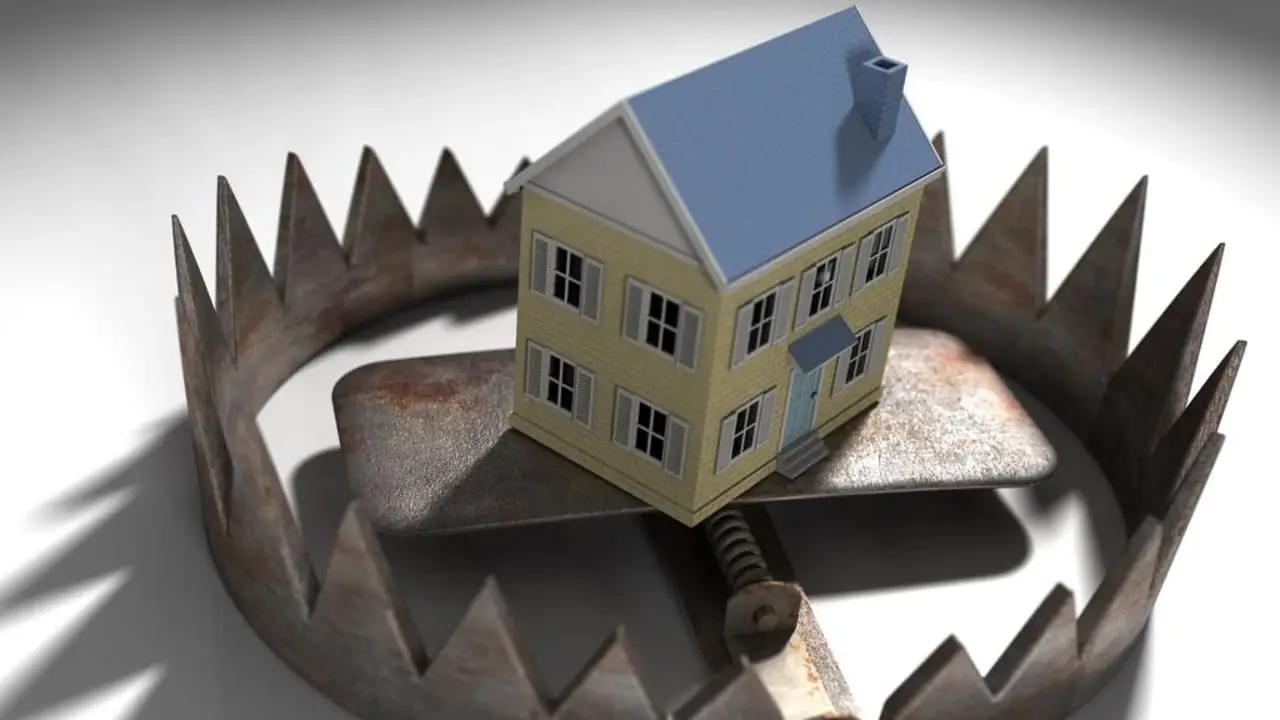
As of April 30, 2026, the 30-year fixed mortgage rate sits at 6.30% according to Freddie Mac’s weekly Primary Mortgage Market Survey, up slightly from 6.23% the week prior. A year ago, the same rate averaged 6.76% — so there has been real progress, even if it does not feel dramatic. The 15-year fixed rate stands at 5.64% as of the same date. Progress, yes. Affordability, not quite yet.
For most of 2025, the 30-year rate moved in a range between 6.17% and 7.04% — an 87 basis point spread that was narrower and lower-ceilinged than both 2024 (114 points, ceiling of 7.22%) and 2023 (170 points, ceiling of 7.79%). That stability is genuinely encouraging, and it means the worst volatility of the post-pandemic rate shock appears to be behind us.
But for the millions of homeowners sitting on 2020 or 2021 mortgages at 2.5% or 3%, no improvement from 7% to 6.3% changes their math. Giving up a 3% rate to move into a new home at 6.3% means a dramatically higher monthly payment on a property that costs more to begin with. Until rates fall meaningfully closer to 5%, a large share of existing homeowners will continue to stay put, keeping supply artificially constrained even as new construction slowly adds inventory on the margin.
“The past couple of years have been frustrating because of elevated mortgage rates, but things will be much better to achieve that American dream of ownership in 2026 — with more inventory choices and mortgage rates falling.” — NAR Housing Economist
First-time buyers: the market’s biggest losers
No group has been hurt more by the current housing affordability crisis than first-time buyers. According to NAR’s 2025 Profile of Home Buyers and Sellers, first-time buyers fell to just 21% of all home purchasers — an all-time low, and a stunning drop from their historic average of around 40%. A generation of would-be owners has been priced out, rate-locked out, or simply exhausted out of the market.
NAR Deputy Chief Economist Jessica Lautz described the divide plainly: “We have haves and have-nots. First-time home buyers are really struggling to get in, while those who have housing equity are building credit.” That equity advantage is compounding. Every year a homeowner holds their property at current price levels, they build more wealth that can be deployed toward a next purchase. Every year a renter waits, that same gap widens. In some metros, a starter home now costs $1 million — a number that would have seemed absurd a decade ago.
Affordability is not just a personal finance problem anymore. Nationwide, there is a shortfall of 7.1 million homes in the affordable segment — and zero states currently meet their affordable housing needs according to Redfin’s analysis. Multiple bipartisan bills aimed at expanding low-cost housing supply are moving through Congress, but legislative timelines rarely match the urgency felt by families sitting in apartments they can barely afford while watching homeownership drift further away.
What 2026 looks like from here
The forecasts for 2026 are cautiously optimistic, with nearly every major institution projecting improvement — though none are calling for a dramatic transformation. NAR Chief Economist Lawrence Yun is forecasting a 14% nationwide increase in home sales for 2026, following 2025’s stagnation. New-home sales are projected to rise 5%. Fannie Mae and NAR together predict home prices will increase between 2.1% and 4% nationally. J.P. Morgan Global Research takes a more conservative view, expecting prices to stall at essentially 0% nationally as modest demand improvements are offset by gradually increasing supply.
On mortgage rates, Redfin predicts an average of 6.3% for the full year of 2026. Fannie Mae’s November forecast is more optimistic, projecting the 30-year rate could reach 5.9% by year-end. Zillow and Realtor.com cluster in the low-to-mid-6% range. The direction is clear — down — but the pace of that decline depends heavily on Federal Reserve decisions and whether inflation continues its gradual retreat toward the 2% target.
Inventory is expected to keep growing. October 2025 marked the 24th consecutive month of year-over-year inventory growth, with the number of homes on the market 15% higher than a year earlier. That said, Zillow data still shows a 17% inventory shortfall compared to pre-pandemic levels, so the market is not fully healed. Homebuilders are helping fill the gap by offering rate buydowns of 100 to 200 basis points below prevailing market rates, making new construction an increasingly attractive alternative for buyers who cannot find suitable existing homes.
Geographically, the Midwest is emerging as the unexpected winner of 2026. Markets like Columbus, Ohio, Indianapolis, and Kansas City — affordable, close to universities, and economically growing — are posting outsized gains while previously hot Sun Belt markets continue to cool. The real estate market is not one national story. It is dozens of local stories happening simultaneously, and the outcomes vary dramatically depending on zip code.
The honest bottom line for buyers and sellers
If you are waiting for home prices to crash before you buy, the data does not support that bet. Mortgage delinquencies remain at historically low levels, homeowners are sitting on record equity, and job growth — while slowing — is still positive. The conditions that caused the 2008 collapse simply do not exist today. What exists instead is a market that is expensive, slow-moving, and deeply unequal — one that rewards people who already own property and makes it genuinely hard for everyone else.
For sellers, the advice from most economists is not to wait. Demand is still strong enough relative to supply that well-priced homes move. In October 2025, 25% of homes still sold above their listing price. The window in which sellers hold the clearest advantage may be narrowing as inventory rises, but it has not closed yet.
For buyers, the calculus is harder. Rates are better than they were but not yet where most people need them to be. Inventory is improving but still below normal. Prices are not falling. The question is not whether conditions are ideal — they are not — but whether the alternative of continued renting is better or worse than locking in now and refinancing when rates eventually fall. That is a personal calculation that depends on income, timeline, local market, and risk tolerance. What the data makes clear is that 2026 will be modestly better than 2025 for most buyers, and meaningfully better than 2023. That is not the dramatic recovery many hoped for, but for a market this complicated, it is real progress.

-

How to Earn Money Online: A Comprehensive Guide
-

TikTok Earn: Complete Guide to Making Money on TikTok in 2026
-

5 Proven Ways to Earn Money Online in 2026 — Backed by Real Data, Not Hype
-
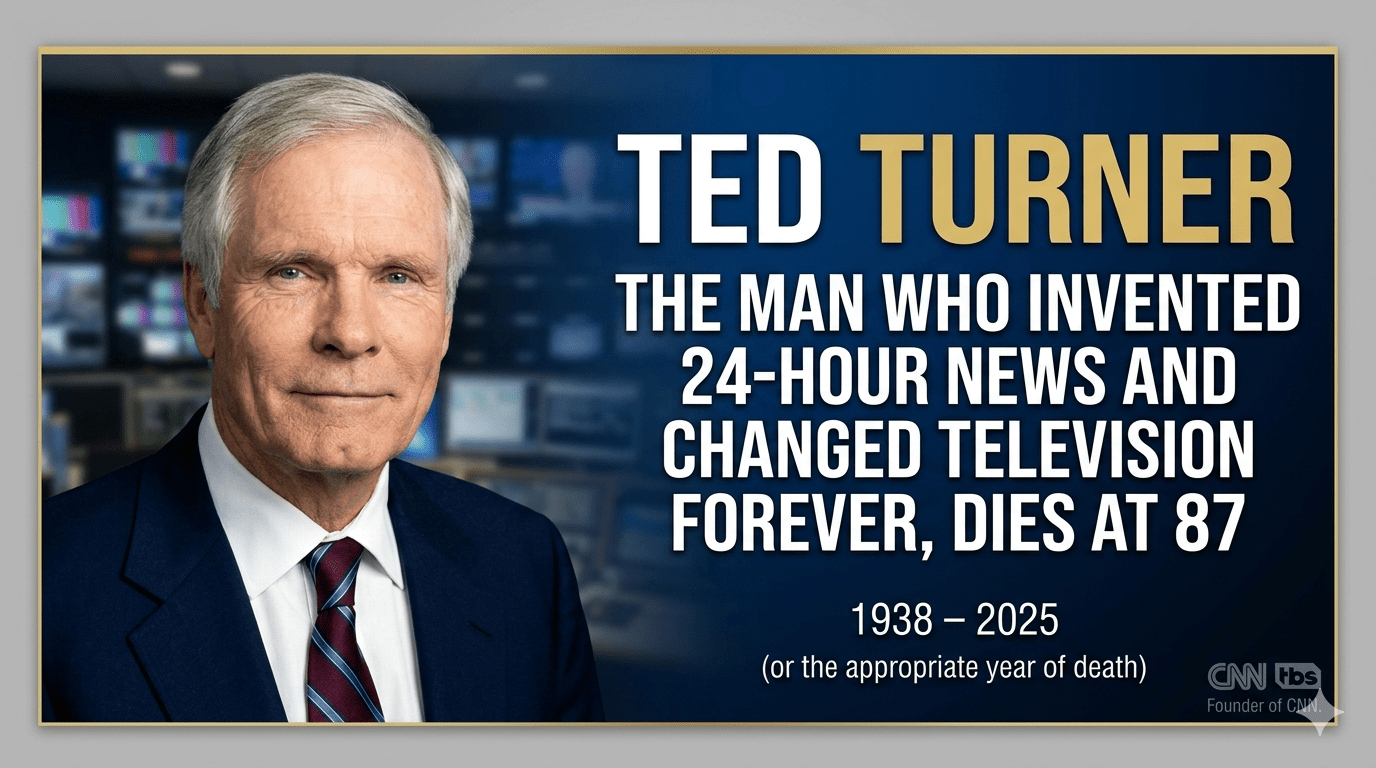
Ted Turner, the Man Who Invented 24-Hour News and Changed Television Forever, Dies at 87