
Table of Contents
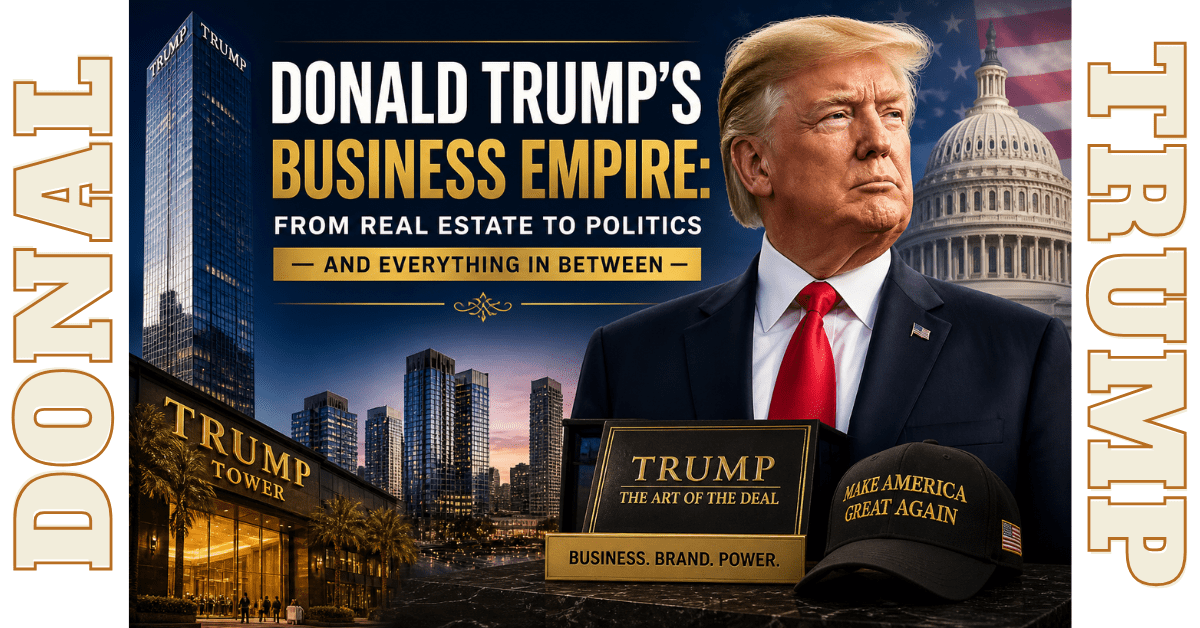
Long before Donald Trump ever sat behind the Resolute Desk, he was building towers. Literally. His name has been stamped on skyscrapers, golf courses, casinos, steaks, vodka, a university, a phone company, and now — a cryptocurrency empire worth billions. The story of Trump’s business empire is not just a story about money. It is a story about how a brand became a political movement, and how a political movement made that brand richer than ever.
Sources: Forbes, Bloomberg, NPR, Financial Disclosure Report, NY Times, Fortune Magazine
Where it all started: inherited wealth and early real estate
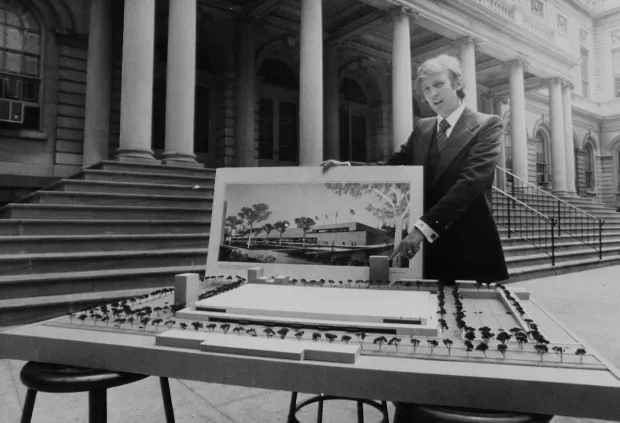
People often assume Donald Trump built his fortune entirely from scratch. The reality is more complicated. According to a New York Times investigation, Trump received at least $413 million from his father Fred Trump’s real estate empire when adjusted for inflation. He was technically a millionaire by the age of eight, the beneficiary of trust funds established by his father and grandmother beginning in 1949.
Fred Trump was one of New York’s largest residential real estate developers, building affordable housing across Brooklyn and Queens. Donald grew up surrounded by construction, contractors, and deal-making. When he moved into Manhattan in the late 1970s, he brought that knowledge with him but applied it to a different world entirely — the world of luxury towers, glitzy lobbies, and the kind of real estate that made newspaper front pages.
His first major Manhattan success was the renovation of the Commodore Hotel near Grand Central Terminal, which he converted into the Grand Hyatt in 1980. The deal was notable not just for the property itself but for the aggressive tax abatement Trump secured from the city — a 40-year tax break that saved him enormous sums and established his reputation as someone who knew how to work the system.
“He was a millionaire by age 8, and received at least $413 million in inflation-adjusted terms from his father’s empire. The self-made billionaire narrative has always been more complicated than the brand suggested.” — New York Times
The Trump Organization: a real estate empire spanning four continents
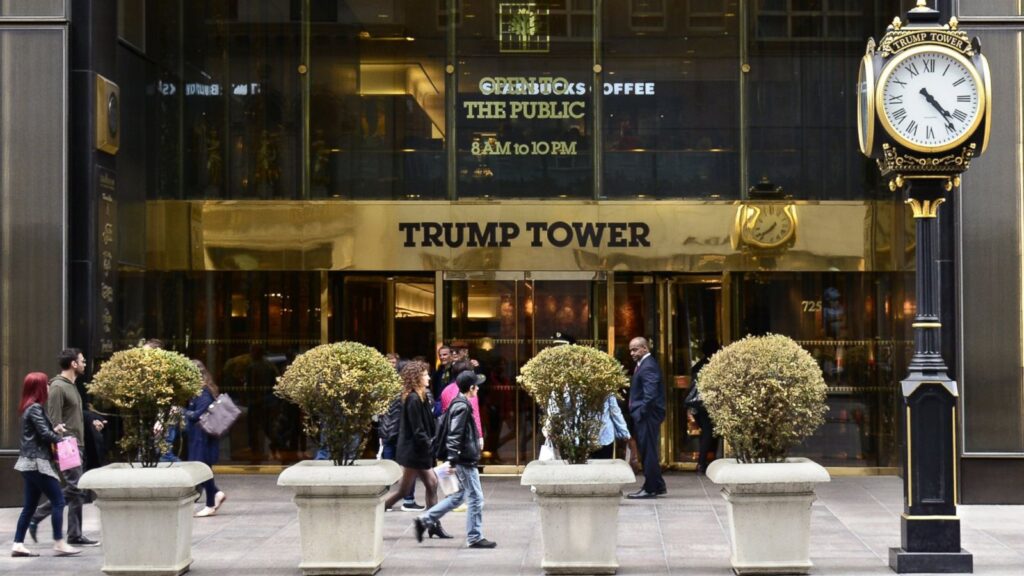
At its core, the Trump Organization is a privately held real estate and branding company. It has never been publicly traded, which means full financial transparency has never been required — and Trump has historically taken full advantage of that fact. His sons Donald Jr. and Eric have managed the company since 2017, when Trump placed it in a revocable trust to create at least the appearance of separation from his presidential duties.
Today the organization’s website lists more than 30 buildings that Trump owns or licenses, plus 20 golf courses spanning the United States, Scotland, Ireland, Dubai, and beyond. The empire includes eight operating hotels, luxury residential developments, and new projects underway in Saudi Arabia, Vietnam, Oman, Qatar, and Indonesia. A $7 billion Saudi Arabia real estate project announced in January 2026 alone raised significant questions about foreign influence on a sitting U.S. president, though Trump denied personal involvement.
Sources: Forbes asset valuations, financial disclosure forms, NPR
Mar-a-Lago deserves its own moment. Trump purchased the 126-room Palm Beach estate in 1985 for $10 million. It is now estimated by Forbes to be worth approximately $458 million on a net basis. The club’s initiation fee tells the story of the brand’s power better than any financial model could: it was $100,000 in 2012, jumped to $200,000 after Trump’s first election victory in 2017, and by 2024 had reportedly soared to $1 million per new member, plus $20,000 in annual dues. The club generated $50 million in revenue in 2024 alone.
The Apprentice era: when television built the billionaire myth
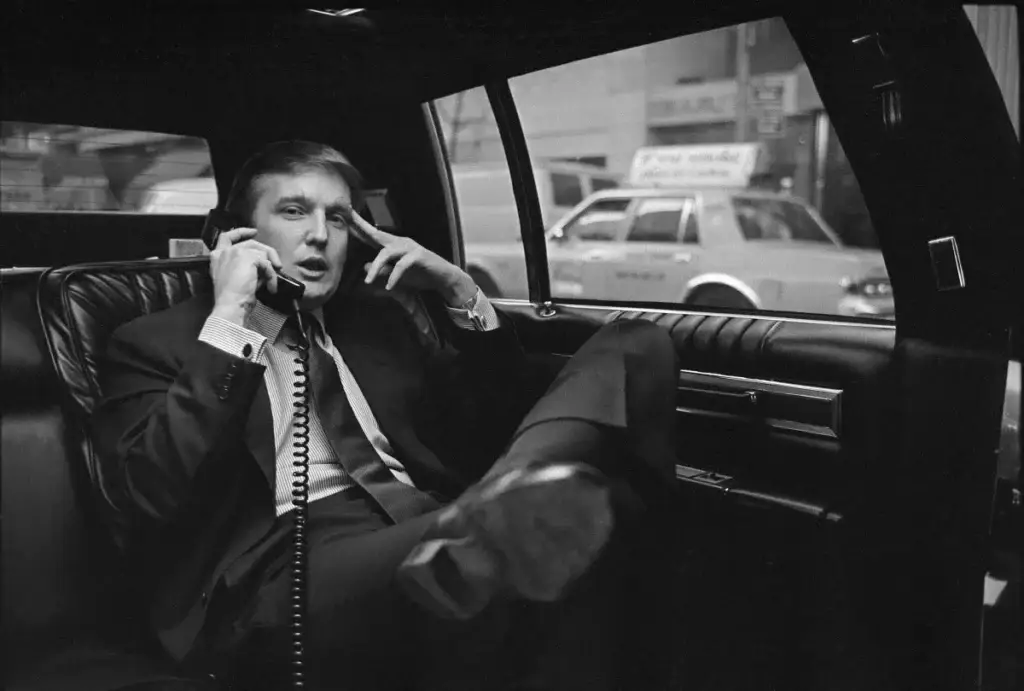
If real estate made Trump rich, television made him famous in a way that money alone never could. The Apprentice, which premiered on NBC in January 2004, was a cultural phenomenon. It recast Trump as the ultimate business authority figure — the man who could look across a boardroom table and decide who had what it took. The catchphrase was simple, but it lodged itself into popular culture permanently.
The financial rewards were enormous. From 2004 to 2015, The Apprentice generated approximately $197 million in direct payments to Trump, with an additional estimated $230 million flowing from fame-related licensing and sponsorship opportunities generated by his celebrity status. The show also did something arguably more valuable than the direct income: it made the Trump brand synonymous with success, wealth, and authority in the minds of tens of millions of Americans.
That brand extension powered a wave of licensing deals — Trump-branded hotels, golf courses, condominiums, and a parade of consumer products including Trump Steaks, Trump Vodka, Trump University, and Trump-branded clothing lines. Most of these ventures failed commercially. But the brand itself kept generating money because the name kept generating attention.
The licensing model: A brand expert cited by NPR put it plainly — if you could get $350 per square foot in rent on a building, putting the Trump name on it could get you $500. That premium is what the brand was worth in commercial real estate terms. It still works today, but for a very different and almost exclusively conservative-leaning audience.
The 1990s collapse and the comeback
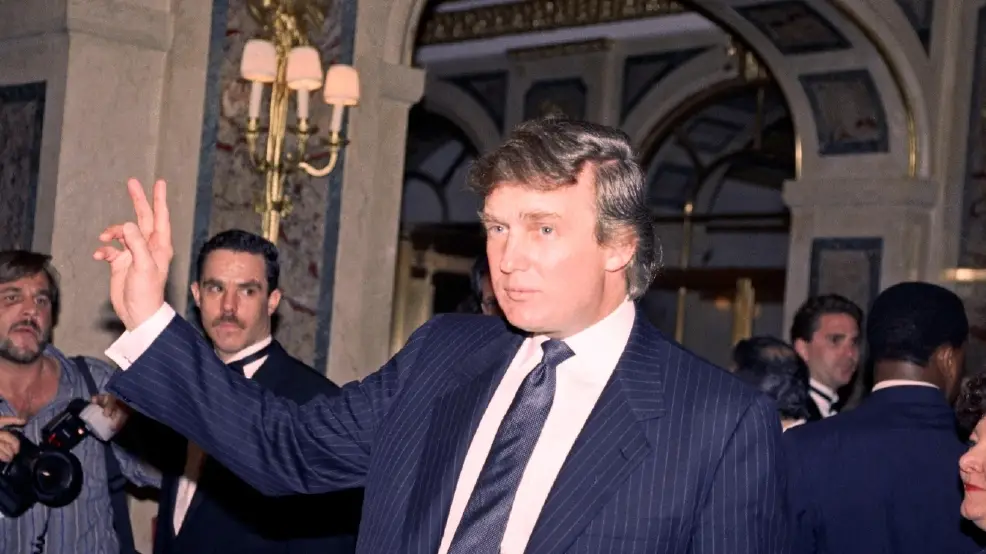
No honest account of Trump’s business history skips the early 1990s. By 1991, Trump’s available personal cash had reportedly fallen below $1.7 million — a staggering reversal for someone who had spent the 1980s projecting limitless wealth. His casino businesses in Atlantic City were hemorrhaging money, his airline Trump Shuttle had collapsed, and his personal debt was measured in the hundreds of millions.
What saved him was not another deal. It was restructuring. He shifted personal debt into corporate obligations, took his casino businesses public in 1995, sold assets including Trump Shuttle to USAir, and pivoted away from direct property ownership toward something more scalable — brand licensing. Under that model, Trump could put his name on developments without necessarily putting in the capital, collecting fees while other people took on the risk and the debt.
It was a shrewd adaptation that kept the brand alive through the lean years and positioned it for the enormous upswing that television would deliver a decade later.
Crypto, Truth Social, and the new empire
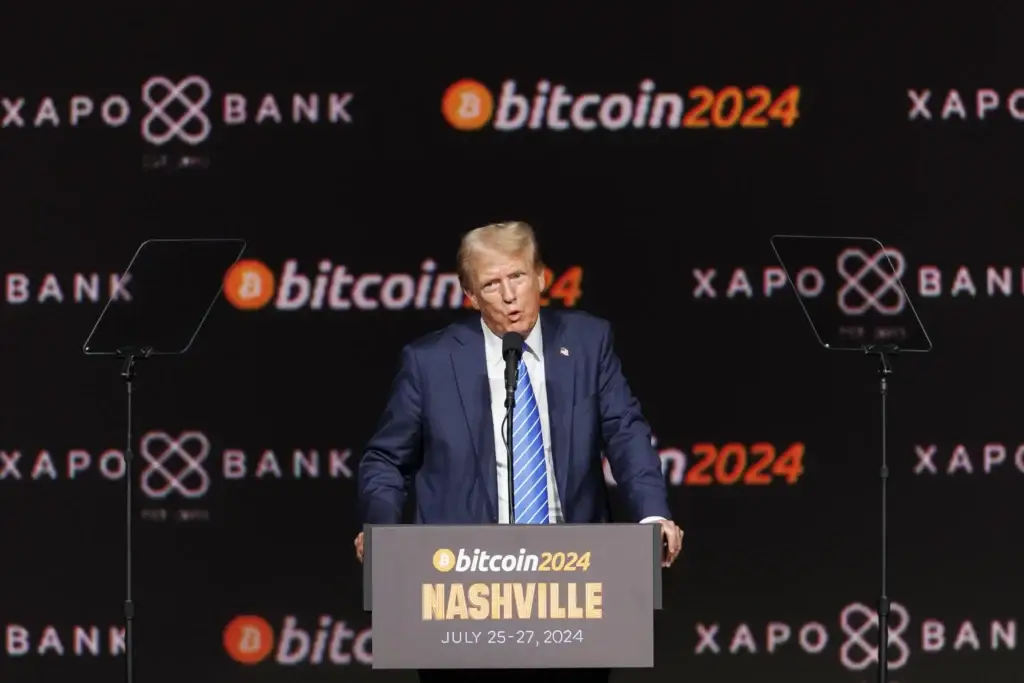
The most dramatic development in Trump’s financial empire over the past two years has nothing to do with concrete or steel. It is digital. Cryptocurrency and media investments have transformed his wealth profile in ways that would have been almost unimaginable five years ago.
In January 2025, just days before his second inauguration, Trump launched the $TRUMP memecoin. The launch sent his crypto valuation skyrocketing. By some estimates, Trump’s total cryptocurrency and digital asset holdings reached as high as $11.6 billion at peak valuation in January 2025, though that figure fluctuates dramatically with crypto market conditions. More conservatively, Forbes estimates his crypto holdings at around $2.6 billion — still representing roughly 40% of his total wealth. In 2025 alone, his crypto ventures added an estimated $2 billion to his fortune in just ten months.
His World Liberty Financial venture — a decentralized finance project — earned over $800 million from asset sales in the first part of 2025. And financial disclosure forms filed in June 2025 showed Trump earned over $57 million from cryptocurrency sales and more than $8 million from licensing his name for products including watches, guitars, and Bibles.
“Trump’s empire has expanded from the steel and concrete of New York skyscrapers to the fiber-optic cables of Silicon Valley. The scale of the conflicts of interest between his business and his presidency are unlike anything America has seen from a sitting president.” — Fortune Magazine
Trump Media and Technology Group, the parent company of Truth Social, went public in March 2024. As of December 2025, TMTG carried a market capitalization of $3.65 billion. In December 2025, TMTG announced a planned $6 billion merger with TAE Technologies, a nuclear fusion energy company, causing Trump Media shares to surge and adding hundreds of millions to Trump’s net worth overnight.
The politics and business overlap: an unprecedented entanglement
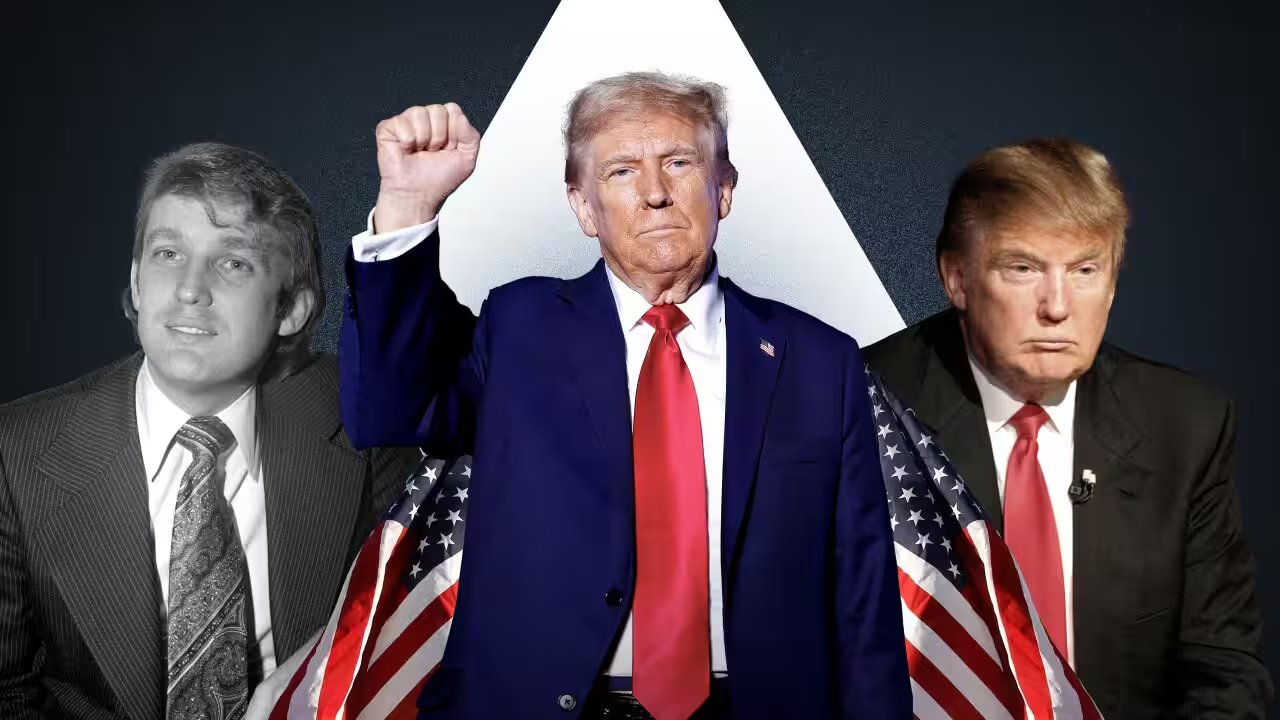
Previous U.S. presidents placed their assets in blind trusts precisely to avoid the kind of conflicts of interest that arise when a sitting head of state also owns businesses that can benefit from his decisions. Trump took a different approach in both his first and second terms: he transferred management to his sons but retained ownership, a structure that critics argue preserved every financial incentive while providing only cosmetic separation.
The numbers support those concerns. During his first term, foreign governments spent over $700,000 at Trump’s Washington D.C. hotel — an implicit way of putting money in the president’s pocket while conducting official business. The Secret Service paid Trump’s properties over $1.4 million for lodging expenses, with taxpayers charged as much as $1,185 per night. His businesses received $8.5 million from political fundraising operations under his control.
In his second term, those concerns have intensified rather than diminished. The cryptocurrency ventures, the foreign real estate projects, and the media company with regulatory exposure to the nuclear industry create channels of potential influence that are far broader and harder to monitor than a hotel in Washington.
The legal battles: A New York judge fined Trump and the Trump Organization $355 million in early 2024 for defrauding banks and insurers by inflating property values on financial statements. However, in August 2025, an appeals court voided the penalty, ruling it was excessive. The underlying finding — that valuations had been manipulated — was not overturned.
How Trump’s wealth has changed: a timeline
Fred Trump sets up $1 million trust funds for each child. Donald is already receiving income from family properties by his late twenties.
Trump’s personal cash falls below $1.7 million. Casino empire collapses. Trump Shuttle sold. Personal debt restructured into corporate obligations.
The Apprentice launches on NBC. Over 11 years, the show generates $197 million directly and $230 million more in brand-related opportunities.
Forbes estimates net worth at $3.7 billion as Trump enters his first presidency. Mar-a-Lago membership fee doubles to $200,000 after election win.
Net worth drops to $2.5 billion during first term. Golf course profits sit at $19 million. The pandemic and political controversy hurt business revenues.
Truth Social parent company TMTG goes public. $TRUMP memecoin launches. Net worth nearly doubles from $2.3 billion to $5.1 billion within months.
Forbes estimates net worth at $6.5B to $7.3B. Golf course profits hit $66 million. Crypto holdings at $2.6B. Mar-a-Lago membership now costs $1 million to join.
The bottom line: a brand that became its own economy
The story of Donald Trump’s business empire is ultimately the story of a name that became more powerful than the assets attached to it. Real estate, television, politics, cryptocurrency — the sector changes, but the underlying engine stays the same. The Trump brand generates attention, and attention generates money. That feedback loop has proven more resilient than any single business venture, surviving casino bankruptcies, court judgments, and political controversy alike.
As of early 2026, Forbes places Trump’s net worth at somewhere between $6.5 billion and $7.3 billion — a nearly threefold increase from his 2024 low of $2.3 billion. That surge was driven almost entirely by crypto and media, not by the traditional real estate that made his name in the first place. The empire has transformed. Whether the transformation represents sustainable wealth creation or a set of politically entangled investments that will face reckoning when the political winds shift is a question that analysts are genuinely divided on.
What is not in question is the scale. Three-quarters of Trump’s reported income now comes from hotels and golf courses. His name is being licensed across four continents for new towers. His memecoin is traded by millions of people worldwide. For better or worse, Donald Trump has built something genuinely unusual: a business empire that feeds on political power and a political identity that feeds on business success. The two have become impossible to separate.

-

How to Earn Money Online: A Comprehensive Guide
-
TikTok Earn: Complete Guide to Making Money on TikTok in 2026
-
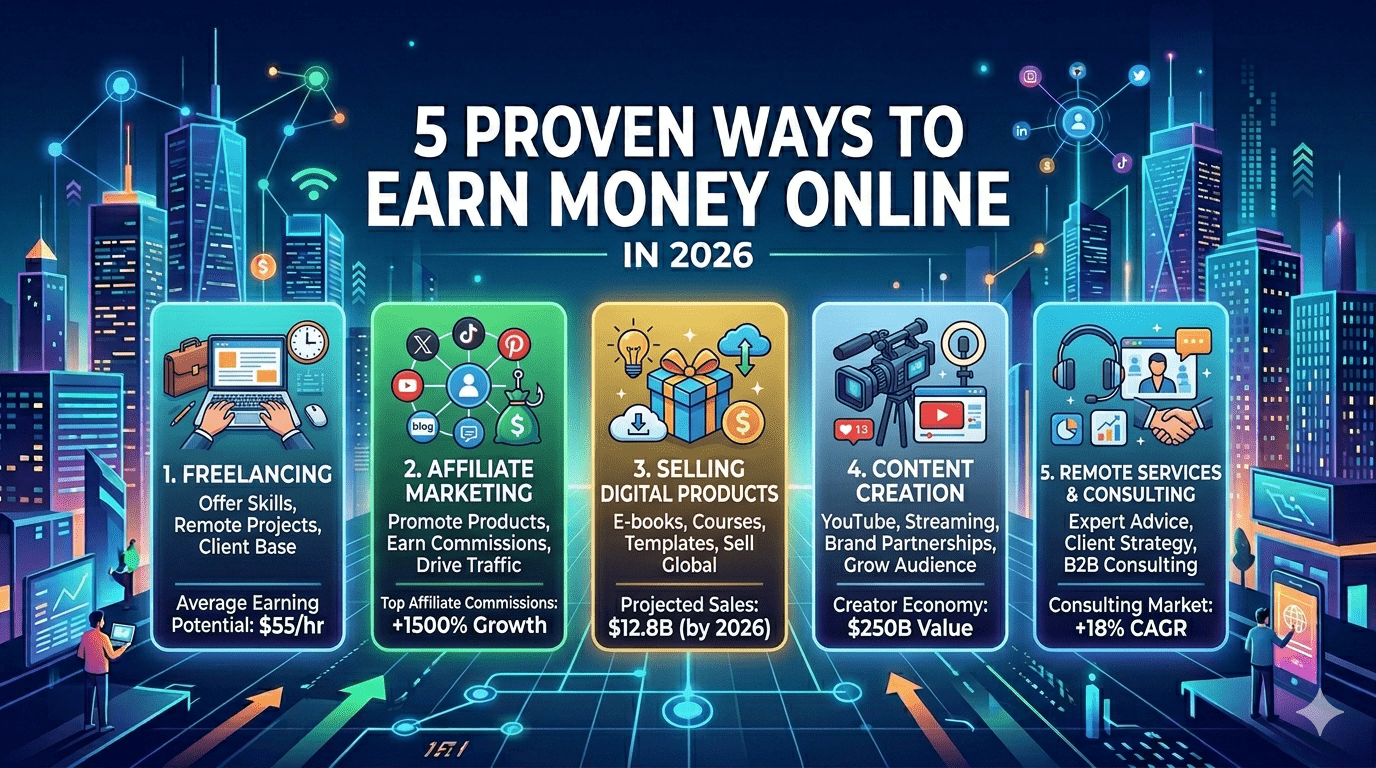
5 Proven Ways to Earn Money Online in 2026 — Backed by Real Data, Not Hype
-
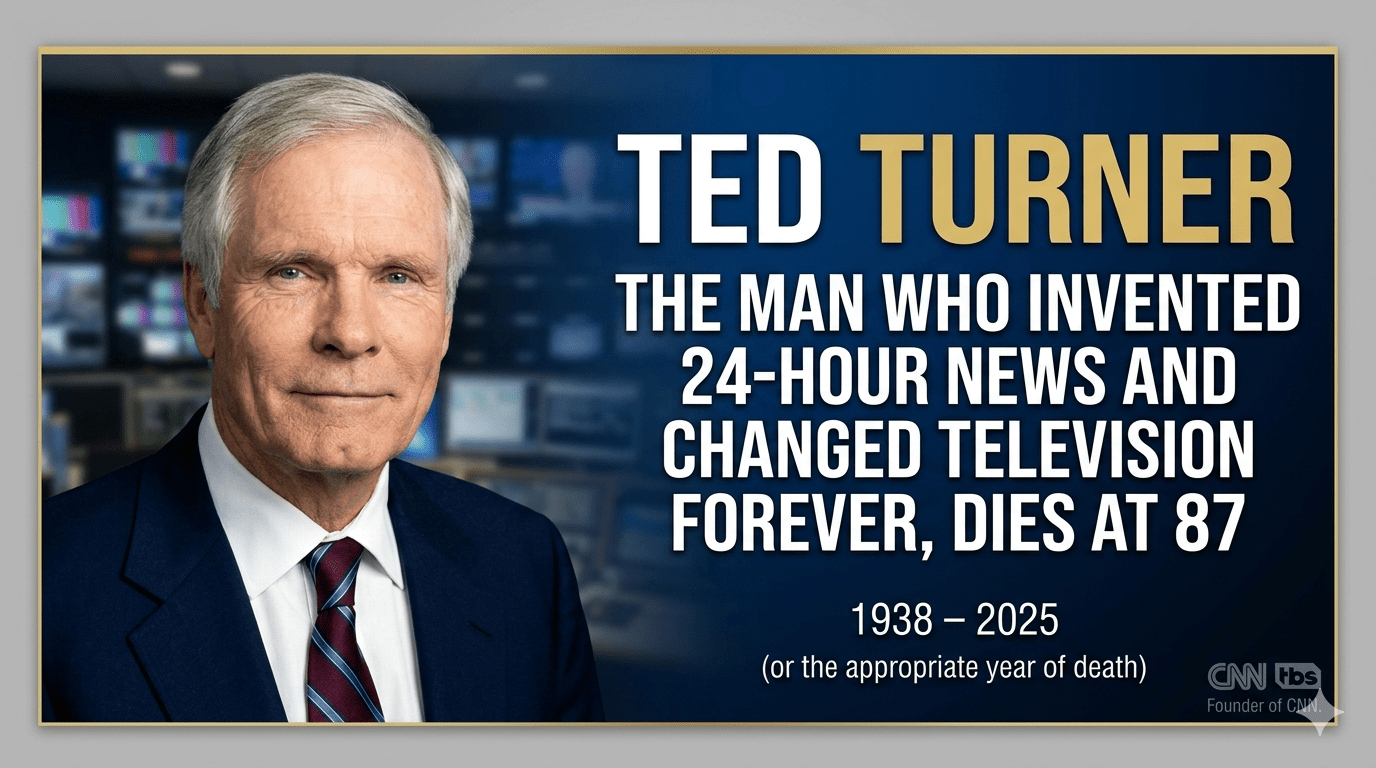
Ted Turner, the Man Who Invented 24-Hour News and Changed Television Forever, Dies at 87