
Buying a car is one of the biggest financial decisions most Americans make. For most people, that means taking out an auto loan. But with interest rates shifting, lenders competing for your business, and loan terms stretching longer than ever — understanding car finance before you walk into a dealership can save you thousands of dollars.
This guide breaks down everything you need to know about auto loans in 2026 — from average interest rates by credit score to how to use an auto loan calculator to find the right monthly payment for your budget.
The State of Auto Financing in America: Key Statistics
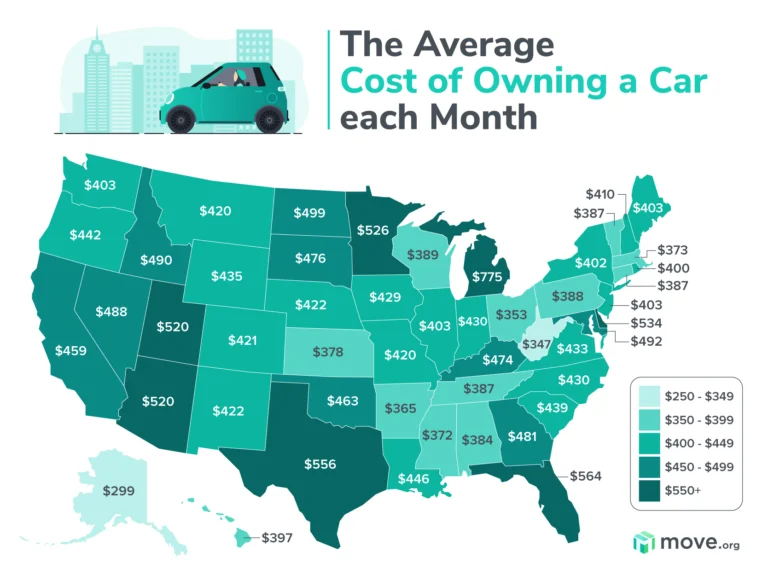
Before diving into how car finance works, let’s look at where things stand right now.
Americans owe a staggering $1.667 trillion in auto loan debt as of Q4 2025 — a 56.7% increase over the past decade, according to the Federal Reserve Bank of New York. In Q4 20265 alone, Americans borrowed $180.8 billion in new auto loans.
Here are some of the most important auto financing statistics for 2025:
- The average new car loan amount is $43,582
- The average used car loan amount is $27,528
- The average monthly payment for a new car loan is $749
- The average monthly payment for a used car loan is $529
- The average new car loan term is approximately 68–69 months
- Loans or leases account for more than 80% of all new vehicle transactions in the USA
- Auto loan debt ($1.667 trillion) now slightly exceeds student loan debt ($1.664 trillion) as of Q4 2025
These numbers paint a clear picture — car finance is a massive part of the American economy, and understanding how it works is essential for anyone planning a vehicle purchase.
What is Car Finance?
Car finance — commonly known as an auto loan — is a type of installment loan that allows you to purchase a vehicle without paying the full price upfront. Instead, a lender pays the dealer on your behalf, and you repay the lender over an agreed period with interest.
The basic components of any auto loan are:
Principal: The amount you borrow (purchase price minus your down payment)
Interest Rate (APR): The annual cost of borrowing, expressed as a percentage
Loan Term: The length of time you have to repay the loan (typically 36 to 84 months)
Monthly Payment: The fixed amount you pay each month until the loan is paid off
Understanding how these four elements interact is the key to making a smart car finance decision.
Auto Loan Interest Rates in 2026: What to Expect

Auto loan interest rates vary significantly depending on your credit score, the type of vehicle, and the lender you choose.
According to Experian’s State of the Automotive Finance Market report, here are the current average auto loan interest rates in 2026:
New Car Loans:
- Average rate: 6.37% (Q4 2025, per Experian/Bankrate)
- Super prime borrowers (781+ credit score): 4.66%
- Deep subprime borrowers (300–500 credit score): 16.01%
Used Car Loans:
- Average rate: 11.26% (Q4 2025)
- Average rate for used vehicles was 11.87% in Q1 2026
The difference between a super prime rate and a deep subprime rate is enormous. On a $30,000 loan over 60 months, the difference between a 4.66% rate and a 16% rate means thousands of dollars in extra interest over the life of the loan. This is why working on your credit score before applying for car finance can pay off dramatically.
Auto Loan Rates by Credit Score Tier
| Credit Score | Category | Avg. New Car Rate | Avg. Used Car Rate |
|---|---|---|---|
| 781–850 | Super Prime | ~4.66% | ~7.43% |
| 661–780 | Prime | ~6.89% | ~9.94% |
| 601–660 | Non-Prime | ~9.83% | ~14.06% |
| 501–600 | Subprime | ~13.18% | ~18.97% |
| 300–500 | Deep Subprime | ~16.01% | ~21.38% |
Source: Experian State of the Automotive Finance Market, Q4 2025
How to Use an Auto Loan Calculator
One of the smartest things you can do before visiting a dealership is run the numbers yourself. An auto loan calculator lets you estimate your monthly payment based on the loan amount, interest rate, and term length — before you’re sitting across from a finance manager.
Try this free Auto Loan Calculator from Navy Federal Credit Union: 👉 Navy Federal Auto Loan Calculator
Here’s how to use it effectively:
Step 1: Enter the vehicle price you’re considering
Step 2: Add your expected down payment amount
Step 3: Enter the loan term (36, 48, 60, or 72 months)
Step 4: Input the interest rate you expect to qualify for based on your credit score
Step 5: Review the estimated monthly payment and total interest paid
Practical Example:
Let’s say you’re buying a used car priced at $27,528 (the current national average) with a $3,000 down payment:
- Loan amount: $24,528
- Interest rate: 11.26% (average used car rate)
- Term: 60 months
- Estimated monthly payment: approximately $531
- Total interest paid: approximately $7,332
Now run the same numbers with a better credit score at 9.94%:
- Monthly payment: approximately $519
- Total interest paid: approximately $6,612
That’s $720 saved simply by having a better credit score. Use the calculator to see exactly how much different rates impact your bottom line.
Where to Get an Auto Loan: Your Options
Not all car finance comes from the same place. Understanding where to shop for an auto loan can help you find better rates.
1. Banks
Traditional banks offer auto loans to existing and new customers. As of Q4 2025, banks hold the largest share of the auto loan market at 31.8%. Banks often offer competitive rates for borrowers with strong credit histories.
2. Credit Unions
Credit unions are member-owned financial institutions that typically offer lower interest rates than banks. They hold 22.2% of the auto loan market. Navy Federal Credit Union, for example, offers new car loans starting as low as 3.89% APR for qualifying members.
Why credit unions are worth considering:
- Lower average interest rates
- More flexible approval criteria
- Better customer service
- No-pressure environment (unlike dealership financing)
3. Captive Lenders (Manufacturer Financing)
These are the financing arms of car manufacturers — think Ford Motor Credit, Toyota Financial Services, or GM Financial. They hold 19.3% of the new car market and often run promotional financing offers like 0% APR for qualified buyers.
4. Online Lenders
Online auto lenders have become increasingly competitive. They allow you to get pre-approved before visiting a dealership, giving you negotiating power. Examples include LightStream, MyAutoLoan, and iLending.
5. Dealership Financing
Dealers arrange financing through third-party lenders and may add a markup to your interest rate. While convenient, it’s often not the cheapest option. Always get pre-approved elsewhere before accepting dealer financing.
⚠️ Avoid Buy-Here-Pay-Here (BHPH) Dealers
BHPH dealers target borrowers with poor credit and often charge interest rates that resemble credit card rates rather than auto loan rates. These should be considered a last resort only, as they hold up to 15.3% of the used car financing market — largely due to their willingness to approve almost anyone.
Factors That Affect Your Auto Loan Interest Rate
Beyond your credit score, lenders look at several other factors when determining your car finance rate:
Down Payment: A larger down payment reduces the amount you need to borrow and signals financial responsibility to lenders. A 10–20% down payment is generally recommended.
Loan Term: Longer loan terms (72–84 months) come with higher interest rates. Borrowers with non-prime credit scores of 601–660 take out the longest new car loans, averaging 75.1 months.
Vehicle Age: Used car loans consistently carry higher rates than new car loans because older vehicles carry more risk for the lender.
Debt-to-Income Ratio (DTI): Lenders want to ensure you can afford the monthly payment relative to your income.
Employment History: Stable, verifiable income improves your approval chances and can help secure a better rate.
Smart Car Finance Tips Before You Apply
1. Check Your Credit Score First Know your credit tier before you apply. Pull your free credit report at annualcreditreport.com and look for any errors that could be dragging your score down.
2. Get Pre-Approved Before Going to the Dealer Apply with at least two or three lenders before visiting a dealership. Pre-approval gives you a concrete rate to compare against dealer financing — and it strengthens your negotiating position significantly.
3. Focus on Total Cost, Not Monthly Payment Dealers often push buyers toward longer loan terms to make monthly payments seem affordable. A 84-month loan at $400/month costs far more in total interest than a 60-month loan at $500/month. Always calculate the total cost of the loan.
4. Make a Meaningful Down Payment Putting at least 10–20% down reduces your loan amount, lowers your monthly payment, and helps you avoid being “upside down” on your loan — owing more than the car is worth.
5. Consider the New Auto Loan Tax Deduction Starting in tax year 2026, borrowers can deduct up to $10,000 per year in auto loan interest for new cars with final assembly in the U.S. This benefit — part of legislation signed in July 2025 — phases out for individuals with incomes over $100,000. Consult a tax professional to see if you qualify.
6. Shop Multiple Lenders Rate shopping for auto loans within a 45-day window typically counts as a single hard inquiry on your credit report. Use this window to compare offers from banks, credit unions, and online lenders.
Frequently Asked Questions About Auto Loans
Q: What credit score do I need for a good auto loan rate?
A credit score above 661 (prime range) generally qualifies you for competitive rates. Scores above 781 (super prime) get the best available rates, averaging around 4.66% for new cars in 2026.
Q: Is a 72-month car loan a bad idea?
Longer terms lower your monthly payment but increase total interest paid. A good APR for a 72-month new car loan is currently at or below 6.61%. Carefully consider whether the lower payment is worth the extra cost.
Q: Can I get an auto loan with bad credit?
Yes, but expect higher interest rates. Deep subprime borrowers (300–500 credit score) average 16.01% on new car loans. Working on your credit before applying, finding a co-signer, or making a larger down payment can all improve your chances and your rate.
Q: How much should I put down on a car?
Financial experts typically recommend 10–20% for new cars and at least 10% for used cars. The national average down payment varies, but anything you can put down reduces your long-term borrowing costs.
Q: Should I finance through the dealer or my bank?
Always get pre-approved by your bank or credit union first. Use that offer as leverage when discussing financing at the dealership. If the dealer can beat your pre-approved rate, take it — but don’t accept dealer financing without comparing.
Final Thoughts on Car Finance
Auto loans are one of the most common financial products in America — and one of the most misunderstood. With total auto loan debt approaching $1.7 trillion, millions of Americans are paying more than they need to simply because they didn’t compare rates, didn’t understand how loan terms affect total cost, or didn’t use tools like an auto loan calculator before signing.
The good news is that a little preparation goes a long way. Check your credit score, get pre-approved, use the Navy Federal Auto Loan Calculator to run your numbers, and shop multiple lenders before making a decision.
A smarter car finance decision today means more money in your pocket for years to come.
Disclaimer: This article is for informational purposes only and does not constitute financial advice. Interest rates and loan terms are subject to change. Always verify current rates directly with lenders before making borrowing decisions. Auto loan interest deduction eligibility should be confirmed with a qualified tax professional.