
Introduction: Why a Conflict Across the Globe Matters to Your Wallet
In the interconnected world of global finance, a ripple in the Middle East can become a tidal wave in the United States. In a US-Iran conflict, the impact is felt far beyond the borders of those two nations. For Americans looking to secure a home loan, manage student debt, or scale a business, geopolitical instability is more than just a news headline—it is a direct influence on the cost of borrowing.
At Loan Wise USA, we believe that an informed borrower is a successful borrower. Understanding the relationship between global conflict and domestic interest rates is essential for navigating the current financial landscape. In this guide, we break down how the US-Iran conflict influences the Federal Reserve, inflation, and ultimately, your ability to secure a loan.
Section 1: The Macro-Economic Bridge – From Conflict to Credit
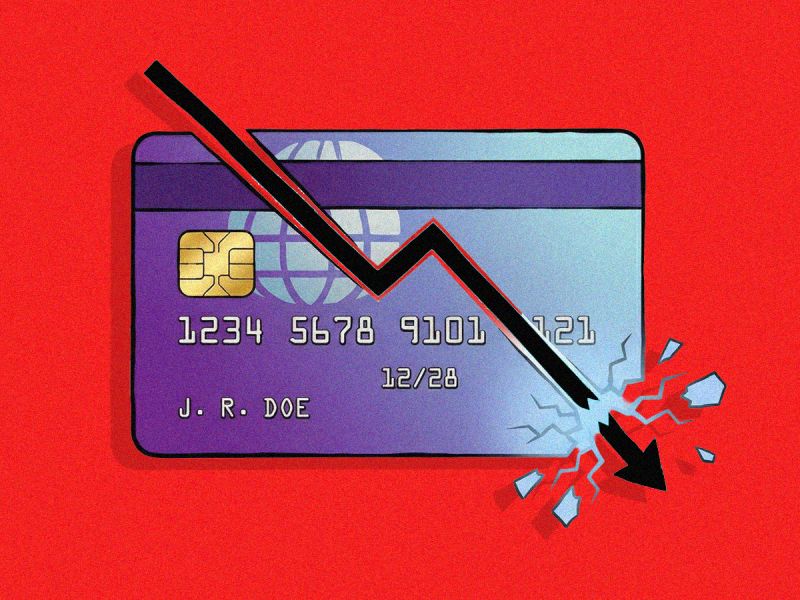
To understand why a conflict with Iran affects your personal loan, we must look at the two primary “bridges” of economic transmission: Energy Prices and Market Volatility.
1. The Energy Factor: Iran sits at the heart of the world’s energy corridor. Any threat to the Strait of Hormuz—a vital transit point for oil—immediately spikes global crude prices. When oil prices rise, the cost of manufacturing and shipping everything in the US follows suit. This is a primary driver of inflation.
2. The Safe Haven Effect: When war talk intensifies, investors get nervous. They pull money out of “risky” assets like stocks and pour it into “safe” assets like US Treasury Bonds. As demand for these bonds increases, their “yields” (interest rates) can fluctuate wildly, directly impacting the benchmarks used for consumer loans.
Section 2: Impact on Home Loans and Mortgages
For most Americans, a house is their largest investment. The home loan market is incredibly sensitive to the US-Iran dynamic.
The Treasury Yield Connection: Most 30-year fixed-rate mortgages are tied to the 10-year Treasury Note yield. Paradoxically, in the very early stages of a conflict, mortgage rates might actually drop slightly because of the “Safe Haven” effect mentioned above. However, this is usually short-lived.
Long-Term Inflationary Pressure: If the conflict leads to a sustained increase in energy prices, the Federal Reserve is forced to keep interest rates high to fight inflation. For a homebuyer, a 1% increase in mortgage rates caused by global instability could mean paying an extra $100,000 in interest over the life of a 30-year loan.
Section 3: Business Loans and the Cost of Expansion
Small and medium-sized businesses (SMBs) often feel the brunt of geopolitical tension faster than any other sector.
Variable Rate Risks: Many business loans and lines of credit are “variable,” meaning they are tied to the Prime Rate. If the US government increases defense spending to fund a conflict with Iran, it increases the national deficit. To manage this, the government may keep rates higher, making your business debt more expensive month-over-month.
Supply Chain Disruptions: Conflict in the Middle East often leads to shipping delays and increased insurance premiums for cargo. Businesses that rely on international trade may find they need working capital loans just to cover the rising costs of inventory, but they are forced to borrow that money at higher rates.
Section 4: Student Loans and Federal Fiscal Policy
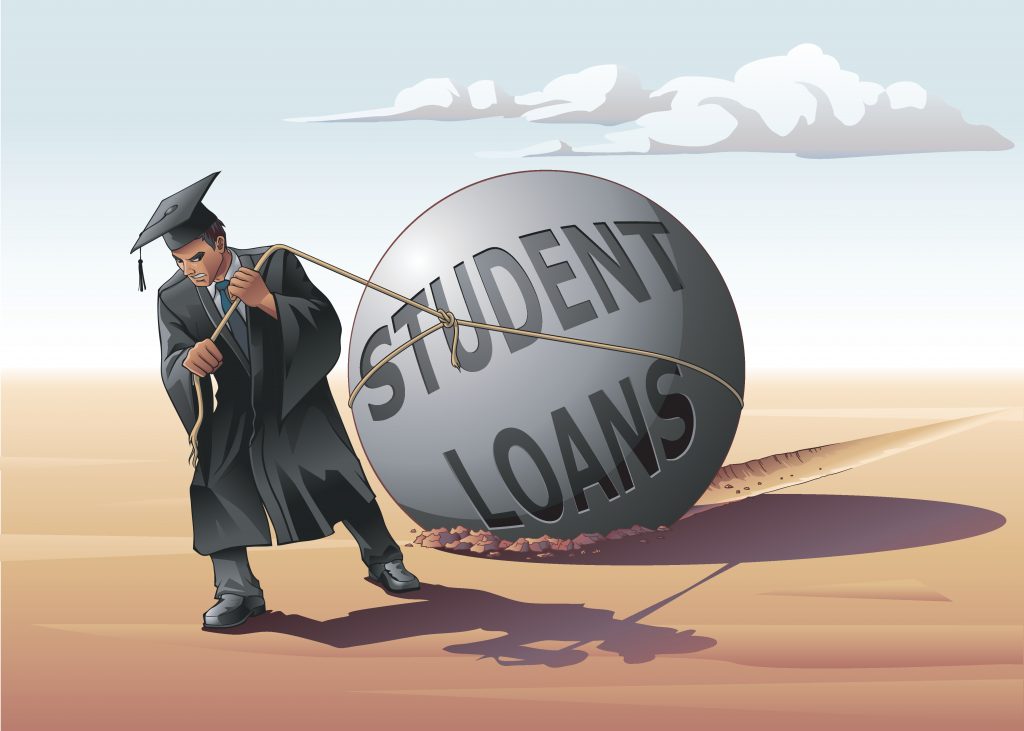
While federal student loans have rates set by Congress, the broader economic environment influenced by the US-Iran conflict still plays a role.
Private Student Loan Refinancing: If you have private student loans, your rates are heavily dependent on the “SOFR” or “LIBOR” benchmarks. Global instability causes these benchmarks to spike. If you were planning to refinance your student debt to a lower rate, a flare-up in US-Iran tensions could close that window of opportunity overnight.
Government Budget Priorities: War is expensive. When the federal budget shifts heavily toward defense and overseas operations, there is often less political appetite for student loan forgiveness programs or increased subsidies for Pell Grants. The “opportunity cost” of conflict is often felt by students and recent graduates.
Section 5: Personal Loans and Consumer Confidence
Personal loans are often used for debt consolidation or emergency expenses. In times of conflict, the “Psychology of the Market” becomes a factor.
Banks become more “risk-averse” when the news is dominated by talk of war. They might tighten their lending standards, requiring higher credit scores for the same personal loan that was easy to get just a month prior. For the consumer, this means even if rates stay stable, access to capital becomes harder.
Section 6: Historical Perspective – Learning from the Past
History shows us that geopolitical shocks in the Middle East (like the 1970s oil crisis or the Iraq War) lead to periods of “Stagflation”—a combination of stagnant economic growth and high inflation. In these environments, borrowing becomes a defensive tool rather than an offensive one. We are seeing similar patterns in 2026 as the US-Iran situation evolves.
Section 7: How to Protect Your Financial Interest
At Loan Wise USA, we don’t just provide loans; we provide strategy. Here is how you can protect yourself:
- Lock in Fixed Rates: If you are in the middle of a home or business loan application, consider locking in your rate now. Geopolitical volatility makes “waiting for a better rate” a dangerous game.
- Evaluate Variable Debt: If you have high-interest variable debt, consider consolidating it into a fixed-rate personal loan before a potential conflict drives rates higher.
- Maintain a Liquidity Buffer: In times of global tension, having access to a pre-approved line of credit can be a lifesaver if supply chain costs spike.
Conclusion: Staying Loan-Wise in a Volatile World
The US-Iran conflict is a stark reminder that we live in a global economy. While we hope for diplomatic resolutions, the financial markets prepare for all outcomes. Whether you are looking for a home loan to start a family or a business loan to grow your company, staying ahead of these trends is the key to financial security.
Keep your eyes on the headlines, but keep your hands on your ledger. At LoanWise USA, we are here to help you navigate the “War on Inflation” and the complexities of global finance.