
If you’re a student in Chicago trying to figure out how to pay for college, you’re not alone. Thousands of Illinois students face the same challenge every year — tuition keeps rising, scholarships don’t cover everything, and federal loans often fall short. That’s where student loans come in.
This guide breaks down everything Chicago students need to know about student loans in 2026 — from federal options to private lenders, interest rates, and smart repayment strategies.
The Real State of Student Loan Debt in Chicago & Illinois
Before we dive into loan options, let’s look at where Illinois stands right now.
Illinois residents carry a staggering $63.4 billion in total student loan debt — one of the highest totals in the entire country. The average student loan debt for Illinois borrowers is nearly $38,000, and almost 55% of the more than 1 million borrowers in Illinois are under the age of 35.
Nationally, the picture isn’t much better. Student loan debt nationwide currently totals $1.813 trillion as of the second quarter of 2026, with nearly 43 million borrowers carrying an average federal balance of $39,075.
For Chicago students specifically, the cost of attending a four-year university has become a serious financial burden. For the 2022–2023 academic year, annual costs for tuition, fees, room, and board were estimated to be $20,400 at public four-year institutions and $52,800 at private institutions.
These numbers are not meant to scare you — they’re meant to help you make a smarter borrowing decision from day one.
Federal vs. Private Student Loans: What’s the Difference?
Most Chicago students should start with federal loans before considering private options. Here’s why:
Federal Student Loans:
- Fixed interest rates set by the government
- Income-driven repayment options are available
- Potential for loan forgiveness programs
- No credit check required for most undergraduate loans
- Deferment and forbearance options during hardship
Private Student Loans:
- Rates depend on your credit score
- Fewer repayment protections
- No forgiveness programs
- Can fill the gap when federal loans aren’t enough
Federal student loan debt comprises the largest portion of all student debt, with private loans accounting for only about 7.61% of the total. This tells you something important — most smart borrowers rely primarily on federal loans.
Federal Loan Options for Chicago Students
1. Direct Subsidized Loans
These are the best federal loans available for undergraduate students with financial need.
- Interest rate (2025–2026): 6.53% fixed
- Who qualifies: Undergraduate students with demonstrated financial need
- Key benefit: The government pays your interest while you’re in school at least half-time
- Annual limit: $3,500 to $5,500 depending on your year in school
2. Direct Unsubsidized Loans
Available to both undergraduate and graduate students regardless of financial need.
- Interest rate (2025–2026): 6.53% (undergrad) / 8.08% (graduate)
- Who qualifies: All enrolled students
- Key difference: Interest accrues while you’re in school
- Annual limit: Up to $20,500 for graduate students
3. PLUS Loans
For graduate students or parents of dependent undergraduates.
- Interest rate: 9.08% fixed
- Requires: Credit check
- Covers: Up to the full cost of attendance minus other aid
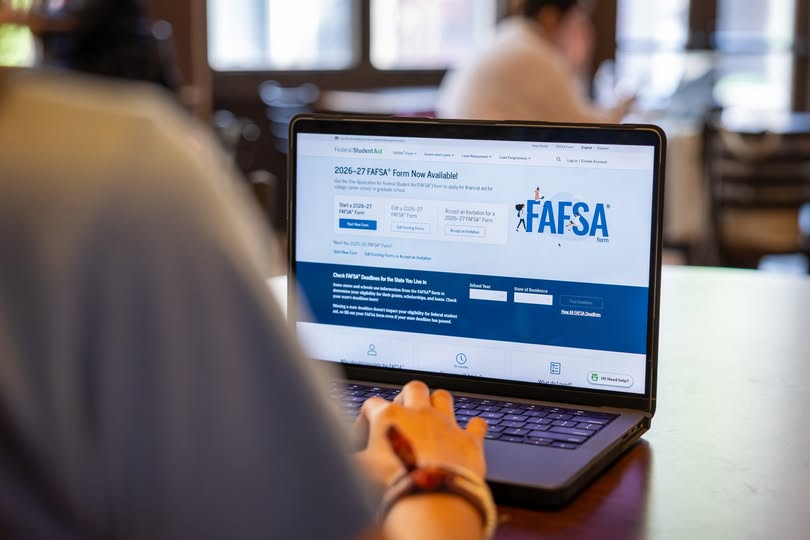
How to Apply for Federal Loans: Complete the FAFSA (Free Application for Federal Student Aid) at studentaid.gov. Chicago students should submit their FAFSA as early as possible — Illinois has limited state grant funding that runs out quickly.
Illinois-Specific Programs Chicago Students Should Know
Illinois Monetary Award Program (MAP)
This is a need-based grant — not a loan — for Illinois residents. You don’t repay grants.
- Available to students attending Illinois colleges
- Based on financial need via FAFSA
- Awards up to several thousand dollars per year
- Apply early — funding is limited and awarded on a first-come basis
Student Empowerment Fund (SEF)
The Illinois Treasurer’s Office provides capital to Funding U, which offers lower-interest rate private student loans to Illinois residents attending Illinois higher education institutions. Borrowers can qualify for a 0.50% interest rate reduction by enrolling in automatic monthly payments, lowering the APR range to 7.99%–9.49%.
This is a genuinely helpful program specifically designed for Illinois students who need private loan options at better rates than typical private lenders.
Top Private Student Loan Lenders for Chicago Students
If federal loans and Illinois programs don’t cover your full costs, here are the best private lenders to consider in 2026:
1. College Ave
- Variable rates starting around 5.59% APR
- Fixed rates starting around 3.99% APR
- No origination fees
- Flexible repayment terms (5–15 years)
- Good for students with strong credit or a creditworthy cosigner
2. Earnest
- Competitive rates for borrowers with good credit
- No fees (no origination, no prepayment penalty)
- Flexible payment options including biweekly payments
- Skip-a-payment option available once per year
3. Sallie Mae
- Available to part-time students (many lenders require full-time enrollment)
- Multiple repayment options
- Interest-only payments during school
- Cosigner release available after 12 on-time payments
4. Ascent
- Options for students without a cosigner
- Outcome-based loans for juniors and seniors
- No prepayment penalties
- Cashback graduation reward
5. Citizens Bank
- Multi-year approval option (apply once for all years)
- Loyalty discount for existing Citizens Bank customers
- Cosigner release after 36 on-time payments
What Credit Score Do You Need for Private Student Loans in Chicago?
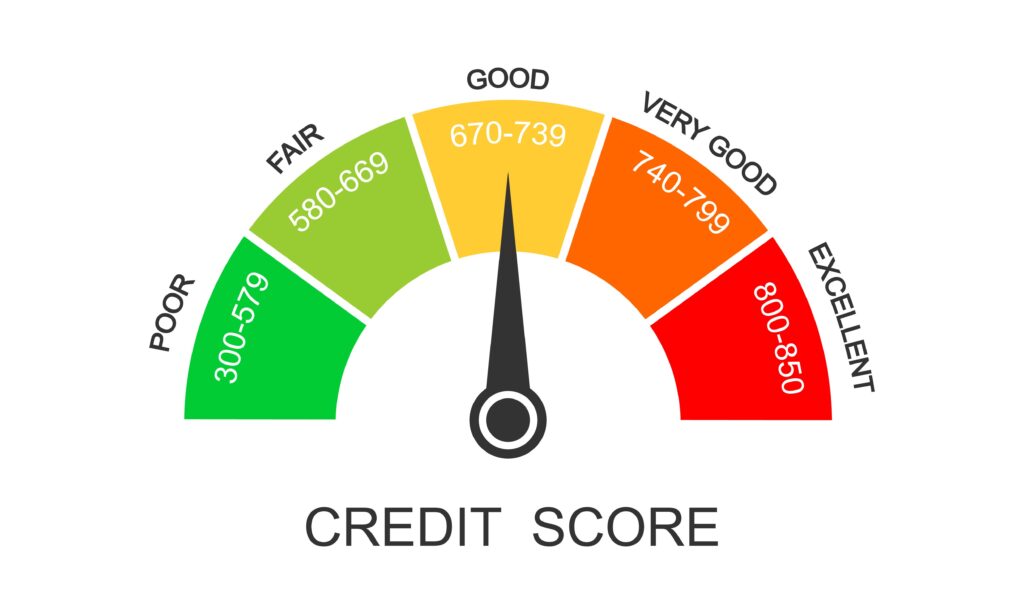
Most private lenders look for a credit score of 670 or higher for favorable rates. However, most college students don’t have established credit — which is why a cosigner is often recommended.
With a cosigner:
- Better interest rates
- Higher approval chances
- Can help build your own credit history
Without a cosigner:
- Harder to qualify
- Higher interest rates
- Lenders like Ascent and Funding U specialize in no-cosigner loans
Smart Borrowing Tips for Chicago Students
1. Only borrow what you need It’s tempting to borrow the maximum amount offered, but remember — every dollar borrowed is a dollar plus interest you’ll repay later.
2. Understand your total repayment amount A $30,000 loan at 6.5% interest over 10 years means you’ll actually repay around $40,600 total. Use a loan calculator before committing.
3. Exhaust free money first Apply for every scholarship and grant you can find before taking on debt. Chicago has numerous local scholarship opportunities through organizations like the Chicago Community Trust and local community foundations.
4. Consider your future income The average federal student loan debt balance is $39,547, while the total average balance including private loans may be as high as $43,333. Before borrowing, research the average starting salary in your field and make sure your expected income can support your loan payments.
5. Start repayment planning early Don’t wait until graduation to think about repayment. Understanding income-driven repayment plans, Public Service Loan Forgiveness (PSLF), and other options before you graduate puts you in a much stronger position.
Repayment Options After Graduation
Once you leave school, federal loan borrowers have several repayment plan options:
- Standard Repayment: Fixed payments over 10 years
- Graduated Repayment: Payments start low and increase every 2 years
- Income-Driven Repayment (IDR): Payments based on your income (10–20% of discretionary income)
- Public Service Loan Forgiveness: For Chicago public servants, teachers, and nonprofit employees — remaining balance forgiven after 10 years of qualifying payments
Nearly half (49%) of all borrowers who took out loans to pay for their education have paid their loans off in full — proof that with the right strategy, student loan debt is manageable.
Frequently Asked Questions
Q: How much can I borrow in federal student loans as an undergraduate in Illinois? Dependent undergraduates can borrow $5,500 to $7,500 per year in federal direct loans depending on their year in school, with a lifetime limit of $31,000. Independent undergraduates can borrow up to $12,500 per year.
Q: Do I need a job to qualify for student loans in Chicago? No. Federal loans don’t require employment. For private loans, income helps, but a creditworthy cosigner can substitute.
Q: Can undocumented students in Chicago access student loans? Undocumented students are not eligible for federal student loans, but Illinois’s Dream Act allows eligible students to apply for the MAP grant. Some private lenders may also have options for DACA recipients.
Q: What happens if I can’t repay my student loans? Contact your loan servicer immediately. Federal loans have multiple hardship options, including deferment, forbearance, and income-driven repayment. Defaulting on loans seriously damages your credit and should be avoided.
Q: Is student loan forgiveness still available in 2026? Federal forgiveness programs like PSLF remain active. Broader forgiveness programs have faced legal challenges. Stay updated at studentaid.gov for the latest information.
Final Thoughts
Navigating student loans in Chicago doesn’t have to be overwhelming. Start with federal aid, explore Illinois-specific programs like the MAP grant and the Student Empowerment Fund, and only turn to private loans when necessary. Borrow responsibly, understand your repayment options before graduation, and you’ll be in a much stronger financial position when you enter the workforce.
The goal isn’t just to get through school — it’s to set yourself up for financial success on the other side.